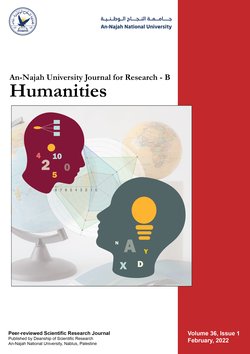
Combating Transnational Crime: Evaluating the Role of ECOWAS in West African Security Architecture
Authors:
Article info
2025-06-24
2026-01-12
2026-02-09
None - None
Keywords
- Arms Proliferation.
- Drug Trafficking
- Piracy
- ECOWAS
- Human Trafficking
- Transnational Crime
Abstract
Objectives: The main objective of this study is to evaluate the role of the Economic Community of West African States (ECOWAS) in combating illicit activities within the region's security architecture. The study draws on Security Complex Theory to examine how the interconnected security concerns of West African states necessitate a collective regional response. Methodology: The study employs a qualitative research design using secondary data drawn from academic literature, official reports, and policy documents. Main Results: The findings indicate that, despite achieving notable successes—particularly in reducing maritime piracy and establishing robust policy frameworks—ECOWAS faces persistent challenges. These include inconsistent political commitment, limited resources, persistent corruption, the destabilizing impact of military coups, and the adaptive nature of criminal networks. Conclusions: The study concludes that inconsistent political commitment from member states, coupled with a lack of resources and persistent corruption within national institutions, significantly weakens ECOWAS’s enforcement capacity. The recent wave of military coups and the subsequent withdrawal of key member states from ECOWAS pose a fundamental structural threat to regional cohesion and the principle of collective security. This situation creates dangerous vacuums that criminal networks are quick to exploit. Recommendations: The study recommends that ECOWAS strengthen political will, enhance institutional capacity, prioritize human security, combat corruption, and diversify international partnerships to build a more resilient West African security environment.
مكافحة الجريمة العابرة للحدود: تقييم دور المجموعة الاقتصادية لدول غرب أفريقيا (إيكواس) في بنية الأمن في غرب أفريقيا
المؤلفون:
معلومات المقال
2025-06-24
2026-01-12
2026-02-09
None - None
الكلمات الإفتتاحية
- Arms Proliferation.
- Drug Trafficking
- Piracy
- ECOWAS
- Human Trafficking
- Transnational Crime
الملخص
الهدف: تُشكل الجريمة المنظمة العابرة للحدود تهديدًا خطيرًا ومتطورًا لأمن غرب أفريقيا وحوكمتها وتنميتها. تقيّم هذه الدراسة دور المجموعة الاقتصادية لدول غرب أفريقيا (إيكواس) في مكافحة هذه الأنشطة غير المشروعة ضمن البنية الأمنية للمنطقة. المنهج: وتستند الدراسة إلى نظرية المجمع الأمني لدراسة كيفية ترابط المخاوف الأمنية لدول غرب أفريقيا، مما يستلزم استجابة إقليمية جماعية. وتعتمد المنهجية على تصميم بحث نوعي يستخدم بيانات ثانوية من الأدبيات الأكاديمية والتقارير الرسمية ووثائق السياسات. أهم النتائج: وتحدد الدراسة الأشكال الرئيسية للجريمة المنظمة، وهي: تهريب المخدرات، والاتجار بالبشر، وانتشار الأسلحة، والقرصنة البحرية؛ وتفصّل آثارها وتدخلات إيكواس المحددة. ورغم أن إيكواس حققت نجاحات ملحوظة، لا سيما في الحد من القرصنة البحرية ووضع أطر سياسات متينة، إلا أنها تواجه تحديات مستمرة. وتشمل هذه التحديات عدم اتساق الالتزام السياسي، ومحدودية الموارد، واستمرار الفساد، والأثر المزعزع للاستقرار للانقلابات العسكرية، وطبيعة الشبكات الإجرامية القابلة للتكيف. الاستنتاجات: وتخلص الدراسة إلى أنه على الرغم من التقدم الذي أحرزته، فإن فعالية إيكواس تعيقها هذه العقبات العديدة. التوصيات: توصي الدراسة، من بين أمور أخرى، بتعزيز الإرادة السياسية، وتحسين القدرات المؤسسية، وإعطاء الأولوية للأمن البشري، ومكافحة الفساد، وتنويع الشراكات الدولية لبناء بيئة أمنية أكثر مرونة في غرب أفريقيا.
Since 2019
Cite Score (Scopus): 0.5
Time to First Decision: 7 Days
Submission to Acceptance: 60 Days
Acceptance to Publication: 10 Days
Acceptance Rate: 5%
Call for Papers:
Special Issue on
Innovative Assessment in the Age of AI: Strategies for Quality
Why should you
Publish With Us?
An-Najah National University
Nablus, Palestine
Nablus, Palestine
- P.O. Box
- 7, 707
- Fax
- (970)(9)2345982
- Tel.
- (970)(9)2345560
- (970)(9)2345113/5/6/7-Ext. 2628
- [email protected]
An-Najah University Journal for Research - B (Humanities) © 1986 by An-Najah University, Nablus, Palestine is licensed under CC BY-NC 4.0

